.png)
Blinken spoke following talks with foreign ministers from the European Union, NATO and the G-7 bloc on the first day of a European tour aimed at illustrating Western unity in opposition to Russian President Vladimir Putinâs invasion of Ukraine. As the conflict enters its second week, Ukrainian cities are being shelled and an exodus of civilians continues.
Blinken, as NATO Secretary General Jens Stoltenberg did earlier in the day, pledged continued support for Kyiv but ruled out the possibility that NATO would establish a no-fly zone over Ukraine, a step that Ukrainian President Volodymyr Zelensky has urged Western partners to take.
Both Blinken and Stoltenberg said enforcement would require sending NATO aircraft into Ukrainian airspace to shoot down Russian jets â something the alliance is unwilling to do.
âThat could lead to a full fledged war in Europe,â Blinken said. âPresident Biden has been clear that we are not going to get into a war with Russia.â
Zelensky on Friday criticized NATOâs decision in a speech published by the presidency.
âKnowing that new strikes and casualties are inevitable, NATO deliberately decided not to close the sky over Ukraine,â he said in a video posted to his Telegram channel. âToday the leadership of the alliance gave the green light for further bombing of Ukrainian cities and villages, refusing to make a no-fly zone.â
Throughout his rapid-fire meetings, Blinken praised nations in Europe and beyond for the unprecedented avalanche of sanctions and economic penalties unleashed on Russia in recent days, and for the new military support a host of countries have pledged to Ukraineâs pro-Western government, whose military is outmatched in size and weaponry by Moscow.
Without a united Western front, Blinken and his counterparts repeated, Russiaâs action could not only yield a sustained human catastrophe, but shake the foundations of European security established over decades.
Speaking during a break in his talks, Blinken recounted that Ukrainian Foreign Minister Dmytro Kuleba, who joined one of the discussions by video link, had shown the group a photograph of a man in Ukraine grieving over his dead child, whose corpse was covered in a blood-spattered sheet.
The photo was âa reminder that even as we talk about these weighty issues of war and peace, what this is really about is the lives of men, women, children â hundreds, thousands of individual human tragedies inflicted by Vladimir Putin and his war of choice on Ukraine and its people,â Blinken said, appearing momentarily choked up. âWe canât lose sight of that fact.â
But the leaders drew a line at direct military involvement in the burgeoning conflict, wary of taking moves that Russia could describe as a provocation or pretext for widening the war.
âWe understand the desperation,â Stoltenberg said earlier in the day when asked about a potential no-fly zone. âBut we also believe that if we did that, we would end up with something that could lead to a full-fledged war in Europe, involving much more countries and much more suffering.â
Stoltenberg said NATO was taking steps to reinforce its eastern flank and would now work more closely with Finland and Sweden, which are not alliance members. He said members will offer additional support for non-NATO countries that may feel newly vulnerable to Russian aggression, such as Georgia, Moldova and Bosnia-Herzegovina.
Stefano Stefanini, Italyâs former ambassador to NATO, said a no-fly zone proposal would probably meet political opposition in Western nations.
âNATO has been walking a thin line, because it has to be as supportive as possible of Ukraine, but the red lines have been drawn â by the United States, first â that thereâs to be no military engagement in Ukraine,â he said.
To impose a no-fly zone in Ukraine would require Biden and other leaders to âlevel with their own people, and to be aware that this might put us at war with Russia,â he continued.
After their meeting, the ministers from the G-7 bloc â which includes the United States, Canada, France, Germany, Italy, Britain and Japan â criticized Russiaâs shelling of a nuclear power plant in Ukraine.
âAny armed attack on and threat against nuclear facilities devoted to peaceful purposes constitutes a violation of the principles of international law,â they said.
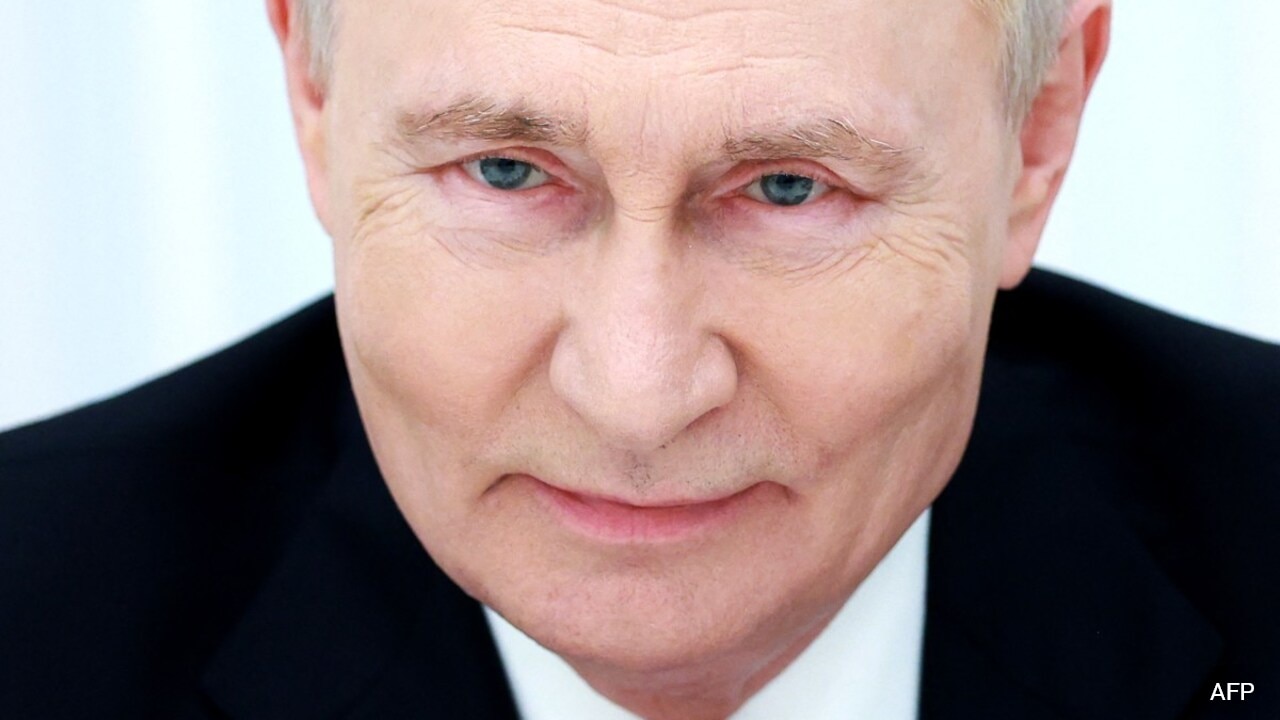
Josep Borrell, the E.U.âs foreign affairs chief, said Russian was conducting the war in a âbarbarianâ way. âThis is Putinâs war,â he said. âAnd Putin has to stop this war.â
European diplomats continue to weigh further measures to increase economic pressure on Putin, officials said, including potential steps to reduce reliance on Russian energy supplies.
On Twitter on Friday, Kuleba thanked NATO members for their support but urged them to do more. His message to them, he said: âAct now before itâs too late. Donât let Putin turn Ukraine into Syria.â




 English (United States) ·
  Turkish (Turkey) ·