.png)
Ukrainian President Volodymyr Zelensky has urged Western partners to implement a no-fly zone over Ukraine, saying that only such a step could guarantee Russia would not bomb nuclear installations.
Stoltenberg dismissed the idea, saying to do so would risk, âbroader conflict in Europeâ and more human suffering. âWe will not be part of the conflict,â he said.
The military alliance has already bolstered its eastern flank, Stoltenberg said, and will now work more closely with Finland and Sweden, two NATO partners but not formal allies.
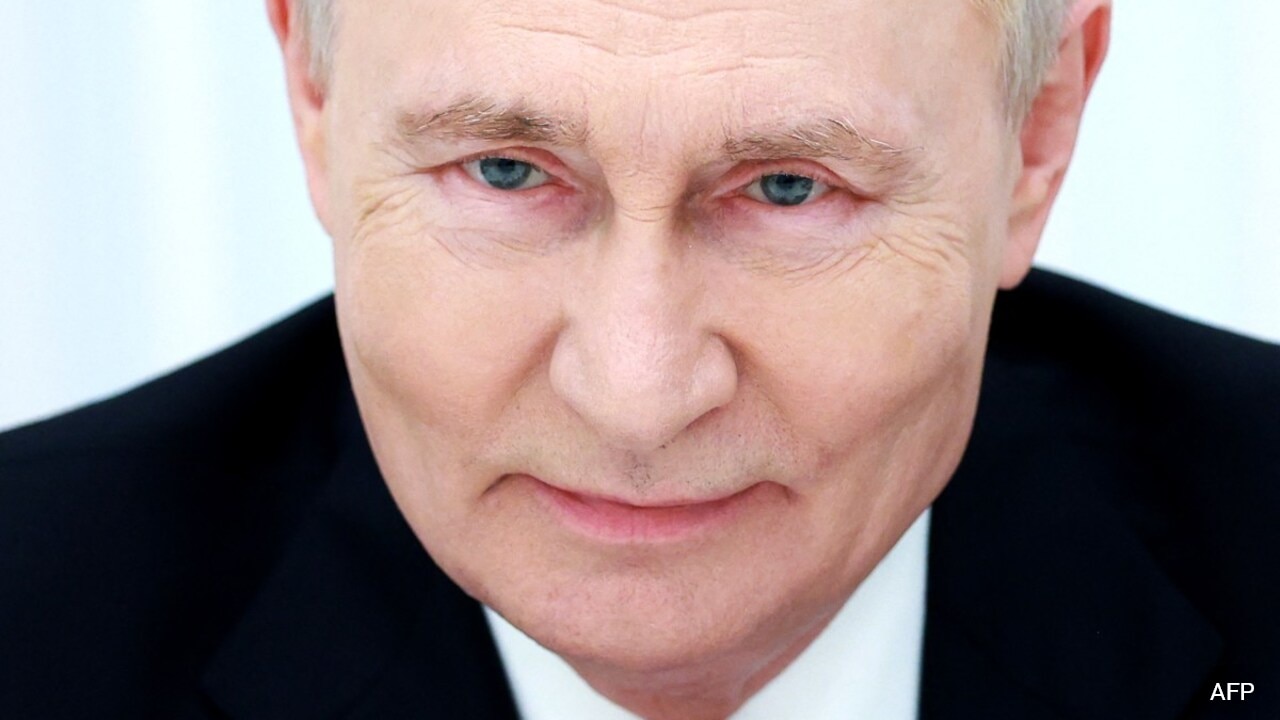
Russian President Vladimir Putin âhas failed to divide us,â he said.
Blinken, along with the foreign ministers of Britain and Canada, joined a meeting of other foreign affairs officials at the European Union on Friday. Ukrainian Foreign Minister Dmytro Kuleba was expected to join by video conference.
Speaking ahead of the meeting, Josep Borrell, the E.U.âs foreign affairs chief, said that Russia conducting the war in a âbarbarianâ way. âThis is Putinâs war,â he said. âAnd Putin has to stop this war.â
Blinken praised the European Union for its steps to provide military support to Ukraine and impose economic penalties for Russia. He said the invasion posed a threat not only to Ukrainian civilians but to the global norms erected since World Word II.
âIt has to stop,â Blinken said. âIf we allow those principles to be challenged, as Putin is doing now, with impunity that will open a Pandoraâs box of trouble.â
In the week after Russia invaded Ukraine, Europe and allies have coordinated on sanctions, hitting the Kremlin with an unprecedented package of sanctions and other measures meant to isolate Russia.
European diplomats are still weighing further measures. There is an ongoing conversation about cutting Europeâs reliance on Russian oil and gas â a move that could hit Europe hard, given the regionâs reliance on Russian supplies. E.U. foreign policy chief Josep Borrell said Friday that Europe and its allies will âconsider everything,â including energy.
âOne week ago I told you that everything was on the table. And you saw that everything was on the table, because some measures that nobody could have expected have been taken,â he said. âSo, everything remains on the table.â
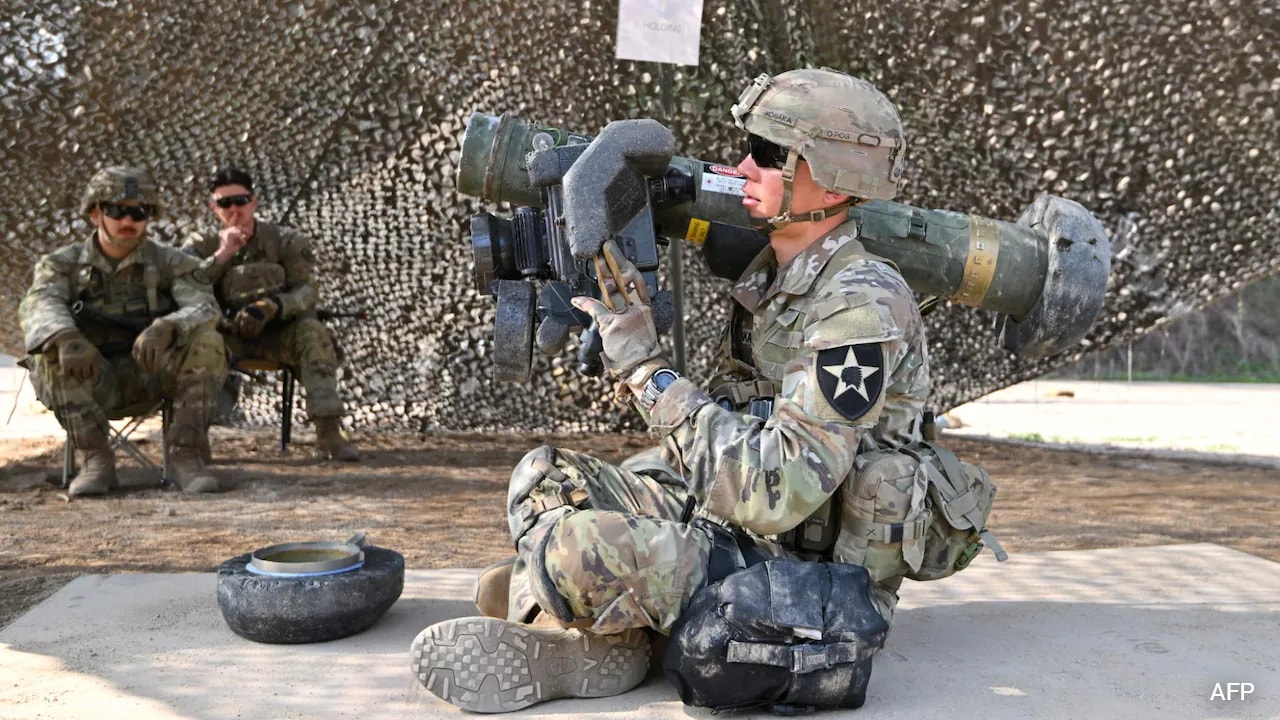
The E.U. has also promised to supply and finance arms to Ukraine â a first for the bloc â but so far has offered few details.



 English (United States) ·
  Turkish (Turkey) ·