.png)
A rocket blast ripped through homes south of Kyiv, Ukraine’s capital. Russia is responding to the surprising “scale and strength” of Ukrainian resistance by targeting residential areas of several cities — Kharkiv, Chernihiv, Mariupol — in an apparent effort to “break Ukrainian morale,” Britain’s Defense Ministry said, noting that Russia deployed “similar tactics” in Chechnya in 1999 and in Syria in 2016.
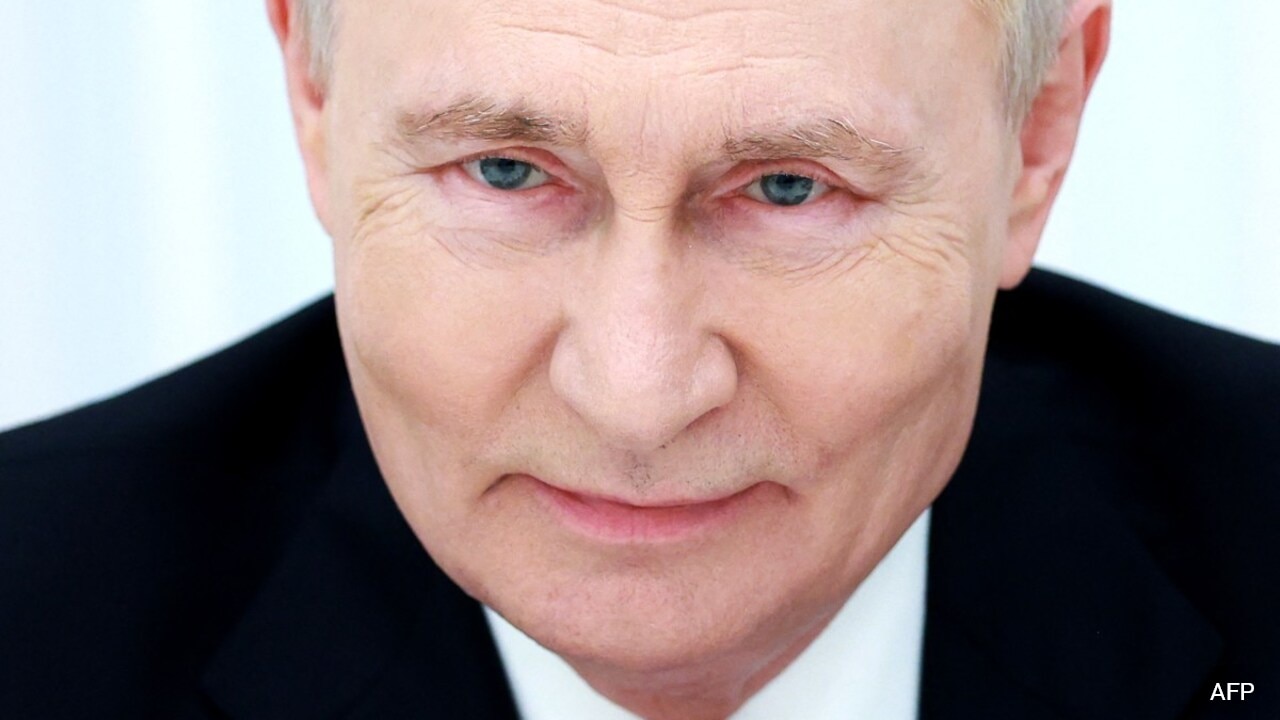
In his first extended remarks about the invasion, Russian President Vladimir Putin on Saturday threatened the very existence of the government of Ukrainian President Volodymyr Zelensky, while Zelensky appealed the same day to U.S. lawmakers for help securing more Soviet-era fighter jets to keep repelling the Kremlin invasion.
Here’s what to know
Mission to stop Putin in Ukraine could take ‘months, if not years,’ U.K. official says
Return to menuThe effort by Western nations to make sure Russia does not succeed in its invasion of Ukraine could take “months, if not years,” a top British official said Sunday.
Dominic Raab, Britain’s deputy prime minister, said the effort to “ensure Putin fails in Ukraine … is going to take some time. We’re talking about months, if not years.”
Speaking on the Sky News show “Trevor Phillips on Sunday,” Raab added, “Therefore, we’ll have to show some strategic stamina, because this is not going to be over in days.”
The comments come as Britain’s Defense Ministry on Sunday said that the “scale and strength of Ukrainian resistance continues to surprise Russia,” which had anticipated a weaker response from Ukraine that would have allowed it to quickly take the capital, Kyiv — and, along with it, control over the government.
Raab noted that although “none of the major cities have yet fallen,” Russia has responded with “evermore brutal tactics.”
Governments around the world have responded to the invasion by hitting Russia with crippling sanctions, as companies — including major payment platforms like Visa, Mastercard and American Express — have joined in the effort.
Deputy Prime Minister Dominic Raab says 'Putin must fail in Ukraine' but that could take 'months if not years' so we need to show 'some strategic stamina'.#Phillips: https://t.co/31OokSLksh
📺 Sky 501, Virgin 602, Freeview 233 and YouTube pic.twitter.com/1gKQ7Inyw9
Ukrainian resistance ‘continues to surprise Russia,’ British intelligence says
Return to menuBritain’s Defense Ministry said in an intelligence update Sunday that the “scale and strength of Ukrainian resistance continues to surprise Russia” as Moscow targets populated areas.
The Ukrainian military has hampered Russia’s advances by advising civilian defense volunteers to attack fuel trucks — which are unarmored and often driven by poorly trained Russian soldiers — instead of armored vehicles. Although Ukraine’s military is severely outmanned and outgunned, Russia has faced stronger resistance than anticipated, exacerbating struggles of its own accord, including supply shortages and low morale. Road signs have been painted over or torn down to confuse Russian troops, many of whom are young and inexperienced in combat.
In response to the Ukrainian tactics, Britain said there was a “realistic possibility that Russia is now attempting to conceal fuel trucks as regular support trucks to minimise losses.”
The intelligence update added that Russia has responded to the resistance “by targeting populated areas,” including Kharkiv, Chernihiv and Mariupol. The move was probably “an effort to break Ukrainian morale,” it said. Russia has used similar tactics of air and ground-based munitions in Chechnya, where heavy bombing took place in 1999 after Russian forces invaded following its declaration of independence, and in Syria in 2016. A month-long bombing campaign in Aleppo, Syria, that year amounted to war crimes and “barbarism,” the United States said at the time.
Radio Free Europe shutters Russia operations, citing crushing regulation
Return to menuRadio Free Europe/Radio Liberty, the network that broadcast uncensored news across the Iron Curtain in Cold War-era Europe, said Saturday it will shutter its operations in Russia, citing mounting fines over its refusal to be identified as a “foreign agent” and a new law stifling freedom of the press.
“This is not a decision that RFE/RL has taken of its own accord, but one that has been forced upon us by the Putin regime’s assault on the truth,” Jamie Fly, the network’s president and chief executive, said in a statement. “Following years of threats, intimidation and harassment of our journalists, the Kremlin, desperate to prevent Russian citizens from knowing the truth about its illegal war in Ukraine, is now branding honest journalists as traitors to the Russian state.”
RFE said that on Friday, the tax authorities in Russia started bankruptcy proceedings against its operations there, stemming from more than $13.4 million in fines for 1,040 violations of Russia’s “unlawful demand” that RFE’s content be labeled as produced by a “foreign agent.”
RFE added that 18 of its journalists also had been designated “foreign agents.” Nine of its Russian-language websites were blocked in the past week, it said, over its refusal to delete information about the invasion of Ukraine.
A law signed by Russian President Vladimir Putin on Friday that threatened 15 years in prison for, as RFE said, “any journalist who deviates from the Kremlin’s talking points on the Ukraine war” played a role in its decision to shut down its Russian operations.
The network, which provides news programming online and through radio and television broadcasts, began as a radio network founded at the beginning of the Cold War “to transmit uncensored news and information to audiences behind the Iron Curtain.”
RFE’s website says it “played a significant role in the collapse of communism and the rise of democracies in post-communist Europe.”
Russian demand for sanctions relief threatens Iran nuclear talks
Return to menuVIENNA — Russia presented a new condition for a revival of the Iran nuclear deal on Saturday: A U.S. guarantee that the sanctions that have been imposed on Moscow for invading Ukraine won’t be applied to Russian trade and investment with Iran.
The demand, made by Russian Foreign Minister Sergei Lavrov in Moscow, threatens to derail talks to restore the 2015 deal just as diplomats in Vienna hoped to finalize an agreement by early next week.
Lavrov told a news conference that Russia was ready to accept a draft document restoring the deal. But he said there were “problems that have appeared recently from the point of view of Russia’s interests.”
Under the new agreement, the Biden administration is expected to lift sanctions on Iran imposed by President Donald Trump after he pulled the United States out of the deal in 2018, and Iran will be required to revert to restraints on its nuclear program. The original agreement, known as the Joint Comprehensive Plan of Action, would then be restored.
Ukraine’s military adapts tactics after enduring Russia’s initial invasion
Return to menuAn outgunned but resilient Ukrainian military is adopting a two-prong strategy in the face of a flawed but fierce Russian assault, relying on hit-and-run tactics and the fortification of major cities as President Vladimir Putin’s campaign enters a more perilous phase, military experts said.
The odds remain stacked against Ukraine, even as it exceeds Western intelligence assessments that had predicted Kyiv, the capital, would fall within days. Russian forces have begun employing siege tactics, aiming to flatten civilian infrastructure and exact maximum punishment for Ukrainian resistance. While Russia has mostly failed, so far, to seize major cities and effectively supply its soldiers with food and fuel, the Pentagon believes it is probable that Russia will regroup and press its massive advantage in firepower.
John Spencer, a retired Army officer who studies urban warfare for the Madison Policy Forum, said Ukraine’s top objective is to make the war as bloody as possible for Russia, as it does not appear Putin will withdraw anytime soon. Giving up secondary cities may become necessary to allow the Ukrainian government to endure in the capital as long as possible, he said.
Protests against Russian invasion of Ukraine fill streets around the globe
Return to menuFrom Europe, to Asia, to Africa to North America, people around the globe took to the streets Saturday to condemn Russian President Vladimir Putin and plead for peace Russia’ invasion has killed hundreds of Ukrainian civilians.
Seas, borders, languages and cultural differences separated the protesters, but the imagery of their pleas was similar: sunflowers, Ukraine’s national flower; Ukraine’s blue-and-yellow flag; the phrase “no war” translated into a slew of languages; banners with Putin’s face vandalized.
The similarities underscore how the invasion, which began late last month, has quickly turned public opinion against Putin and Russia in a war much of the world has followed online. Across social media, videos of Ukraine’s defiance and of Russia’s assault have rallied support for Ukraine.
After temporary cease-fires break down, Putin threatens Ukraine’s government
Return to menuMUKACHEVO, Ukraine — Cease-fire agreements intended to let civilians leave besieged Ukrainian cities broke down Saturday just hours after being reached, and Russian President Vladimir Putin warned that Ukraine could lose its sovereignty if its leaders continue to resist his military forces.
In his first extended remarks about the fighting since ordering his forces across Ukraine’s border, Putin threatened the very existence of the government of Ukrainian President Volodymyr Zelensky, who has rallied his military and inspired everyday citizens to repel the Russian advance.
“The current leadership needs to understand that if they continue doing what they are doing, they risk the future of Ukrainian statehood,” Putin said. “If that happens, they will have to be blamed for that.”
Russia’s Ukraine invasion could be a global economic ‘game changer’
Return to menuRussia’s invasion of Ukraine and the financial reckoning imposed on Moscow in response are proof that the triumphant globalization campaign that began more than 30 years ago has reached a dead end.
Fallout from the fighting in Ukraine will take a meaningful bite out of the global economic recovery this year, with the greatest impact in Europe, economists said. A spike in oil prices to more than $110 per barrel and renewed supply chain disruptions — including fresh headaches for the auto industry — also are likely to aggravate U.S. inflation, already at a 40-year high.
But the war’s long-term consequences could be more profound. Even before Russian President Vladimir Putin sent tanks and missiles hurtling toward Ukraine, years of deteriorating U.S.-China relations and failed global trade talks had stalled the tighter integration of finance and trade flows that had been anticipated during globalization’s heyday.



 English (United States) ·
  Turkish (Turkey) ·