.png)
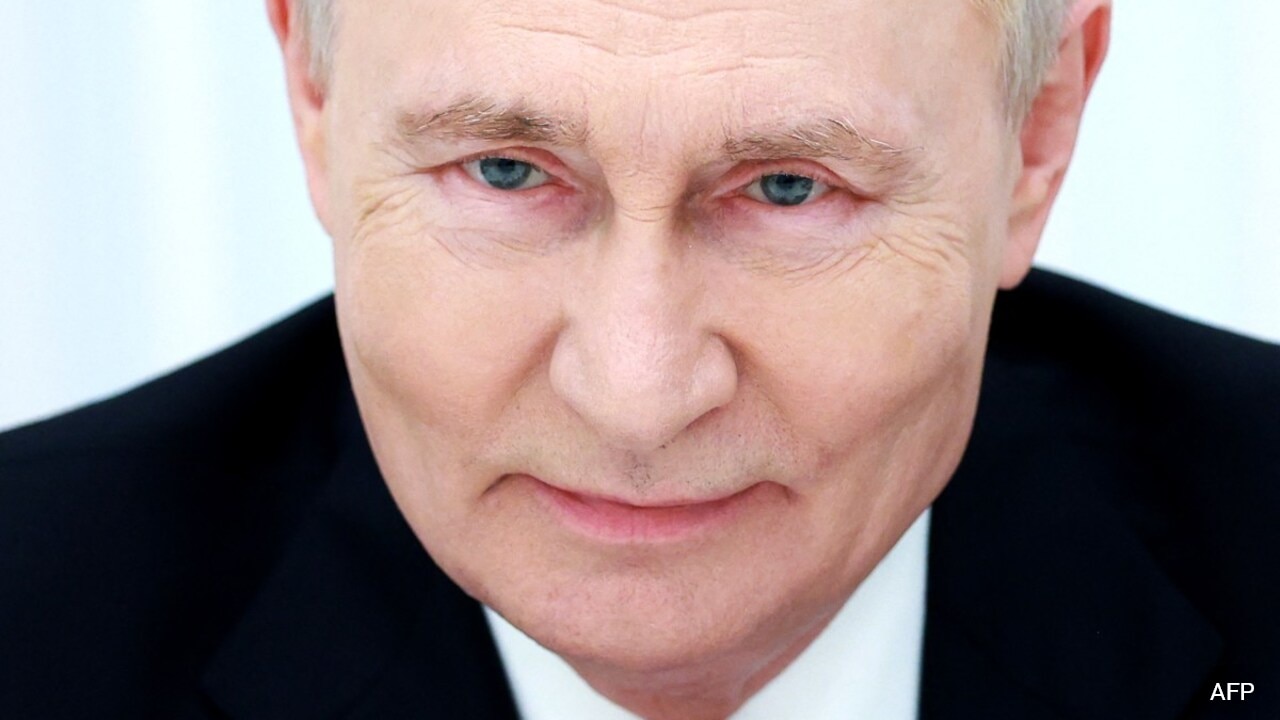
In his first extended remarks about the fighting since ordering his forces across Ukraine’s border, Russian President Vladimir Putin on Saturday threatened the very existence of the government of Ukrainian President Volodymyr Zelensky, while Zelensky appealed the same day to U.S. lawmakers for help securing more Soviet-era fighter jets to keep repelling the Kremlin invasion.
The financial fallout for Russia continued to mount, with Visa and Mastercard announcing Saturday that they would suspend transactions in Russia over what Visa CEO Al Kelly described as Russia’s “unprovoked invasion of Ukraine.” Zelensky had made the suggestion earlier in a virtual call with members of Congress. He had also requested a ban on the purchase of Russian oil, a measure the White House said it is considering.
Here’s what to know
After temporary cease-fires break down, Putin threatens Ukraine’s government
Return to menuMUKACHEVO, Ukraine — Cease-fire agreements intended to let civilians leave besieged Ukrainian cities broke down Saturday just hours after being reached, and Russian President Vladimir Putin warned that Ukraine could lose its sovereignty if its leaders continue to resist his military forces.
In his first extended remarks about the fighting since ordering his forces across Ukraine’s border, Putin threatened the very existence of the government of Ukrainian President Volodymyr Zelensky, who has rallied his military and inspired everyday citizens to repel the Russian advance.
“The current leadership needs to understand that if they continue doing what they are doing, they risk the future of Ukrainian statehood,” Putin said. “If that happens, they will have to be blamed for that.”
Russia’s Ukraine invasion could be a global economic ‘game changer’
Return to menuRussia’s invasion of Ukraine and the financial reckoning imposed on Moscow in response are proof that the triumphant globalization campaign that began more than 30 years ago has reached a dead end.
Fallout from the fighting in Ukraine will take a meaningful bite out of the global economic recovery this year, with the greatest impact in Europe, economists said. A spike in oil prices to more than $110 per barrel and renewed supply chain disruptions — including fresh headaches for the auto industry — also are likely to aggravate U.S. inflation, already at a 40-year high.
But the war’s long-term consequences could be more profound. Even before Russian President Vladimir Putin sent tanks and missiles hurtling toward Ukraine, years of deteriorating U.S.-China relations and failed global trade talks had stalled the tighter integration of finance and trade flows that had been anticipated during globalization’s heyday.




 English (United States) ·
  Turkish (Turkey) ·