.png)
Itâs a figure the office concedes is probably a significant undercount. For independent observers, the ongoing fighting across much of the country means that the effort to count the dead and wounded has become a painstaking but necessary struggle.
In some regions, local officials have announced high civilian death tolls that were not possible to independently verify. In the seaside hub of Mariupol, the target of relentless Russian shelling in recent days, an adviser to the mayor said that 1,300 people have been killed in the city alone and that at least 3,000 more have been injured.
In Ukraine, as in many war zones, reporting systems have broken down and hospitals and morgues are overwhelmed. The government, fighting for its survival and also locked in an information war with Russia, has limited access to authoritative information and every incentive to minimize its own losses while emphasizing any victories.
âItâs very difficult to gather good information in the middle of violence because thereâs chaos, itâs dangerous to walk around and actually count how many casualties, how many injured, how many killed,â said Charles Kupchan, a senior fellow at the Council on Foreign Relations.
In the first few days of the war, for example, Ukraine claimed that its forces had already killed more than 3,000 Russian troops â a staggering number that seemed improbable but that has formed the basis of Ukrainian claims about Russian casualties ever since.
This week, Ukrainian authorities said that more than 12,000 Russian soldiers had been killed, a number that could not be independently verified. For its part, Russia has admitted to just 2,095 casualties, including 498 deaths and 1,597 wounded.
Moscow also says that at least 2,870 Ukrainian troops have been killed and more than 3,500 wounded â figures Ukraineâs government disputes.
âItâs particularly difficult because weâre in a war where both sides are attempting to win hearts and minds,â said Kupchan. âRussians are very good at playing the information game ⦠and as a consequence, the U.S. and Ukrainians are trying to push back.â
Whatâs clear is that Russiaâs losses on the battlefield took many by surprise. Russian President Vladimir Putin had sent more than 100,000 troops to the border with Ukraine for what he thought would be a swift victory allowing his forces to march straight to Kyiv, according to U.S. officials.
But poor logistics and planning, and Ukraineâs surprisingly fierce resistance, buoyed in part by weapons shipments from the West, have helped hobble the Russian leaderâs agenda.
âI think they had a bad plan. And I think their logistics support is not what it needs to be,â Lt. Gen. Scott D. Berrier, director of the Defense Intelligence Agency, said of Russiaâs military in testimony to House lawmakers this week.
According to Berrier, the best estimate of Russian fatalities in Ukraine is between 2,000 and 4,000 killed. But he said that he had âlow confidenceâ in the assessment because it relied on both intelligence sources and âopen sourceâ information.
At the same hearing, Director of National Intelligence Avril Haines said that the warâs human toll is already âconsiderable, and only increasing.â
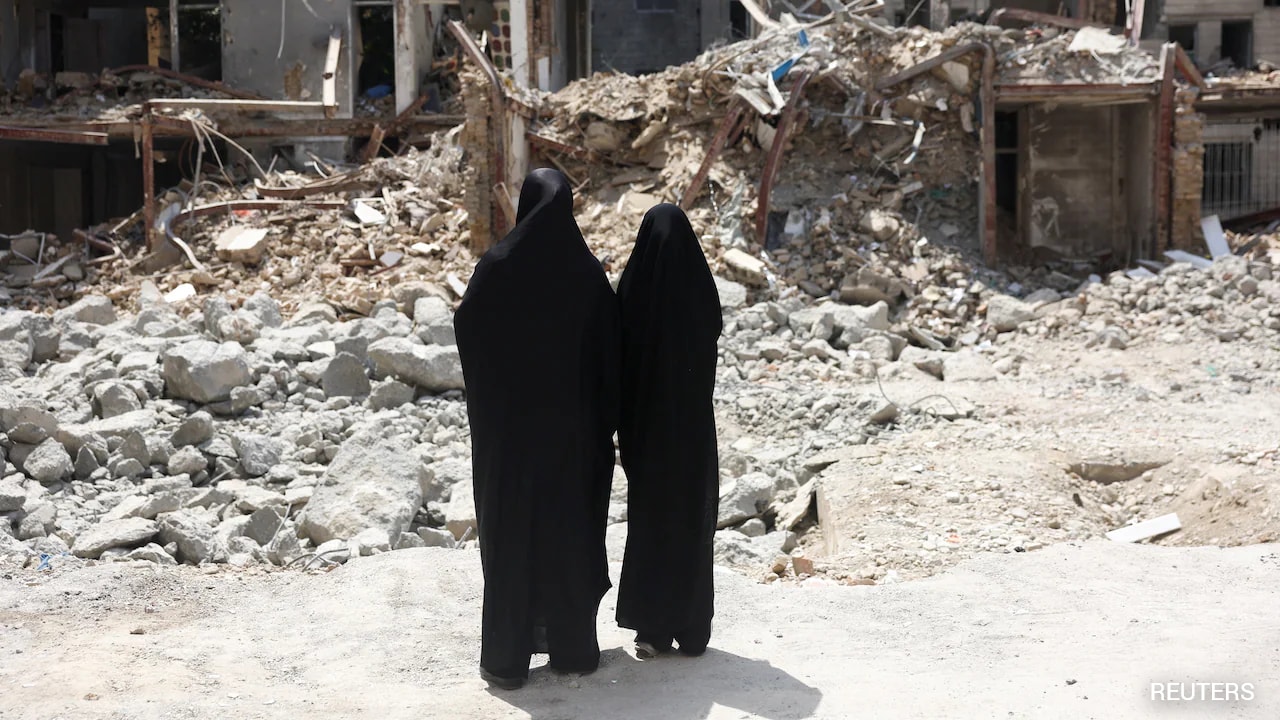
The brutal, sustained bombardments by Russia have produced a near-endless stream of images depicting the growing human cost: an airstrike on a maternity ward; cluster bombs at a preschool; and a trench filled with bodies marking one of the first mass graves.
The U.N. says that most of its recorded casualties were caused by the use of explosive weapons âwith a wide impact area,â including shelling from heavy artillery and multi-launch rocket systems, as well as missiles and airstrikes.
Tracking those who are killed and corroborating their deaths âis objectively difficult if youâre trying to get it right,â said Baruch Fischhoff, a professor at Carnegie Mellon Universityâs Institute for Politics and Strategy.
âThe people who are trying to do it are trying to keep themselves alive or trying to keep other people alive,â he said. âEveryone deserves to have their death recorded and honored, and itâs important to know what the scope of the suffering is.â






 English (United States) ·
  Turkish (Turkey) ·